How shingles wear out
Why Shingles Fail
Shingles have oil in them. The oil keeps the asphalt flexible and holds the granules on. Heat and sun cook it out over time, and on the Gulf Coast that happens fast. As the oil goes, shingles get stiff, crack and drop the granules that protect them from the sun.
"Old" Is Often Just "Dry"
A lot of roofers call a dry roof an old roof. Plenty of those get torn off years before they're actually worn out. Putting the oil back while the roof is still sound can add years to it, if it qualifies.
Penetrates, Not Coats
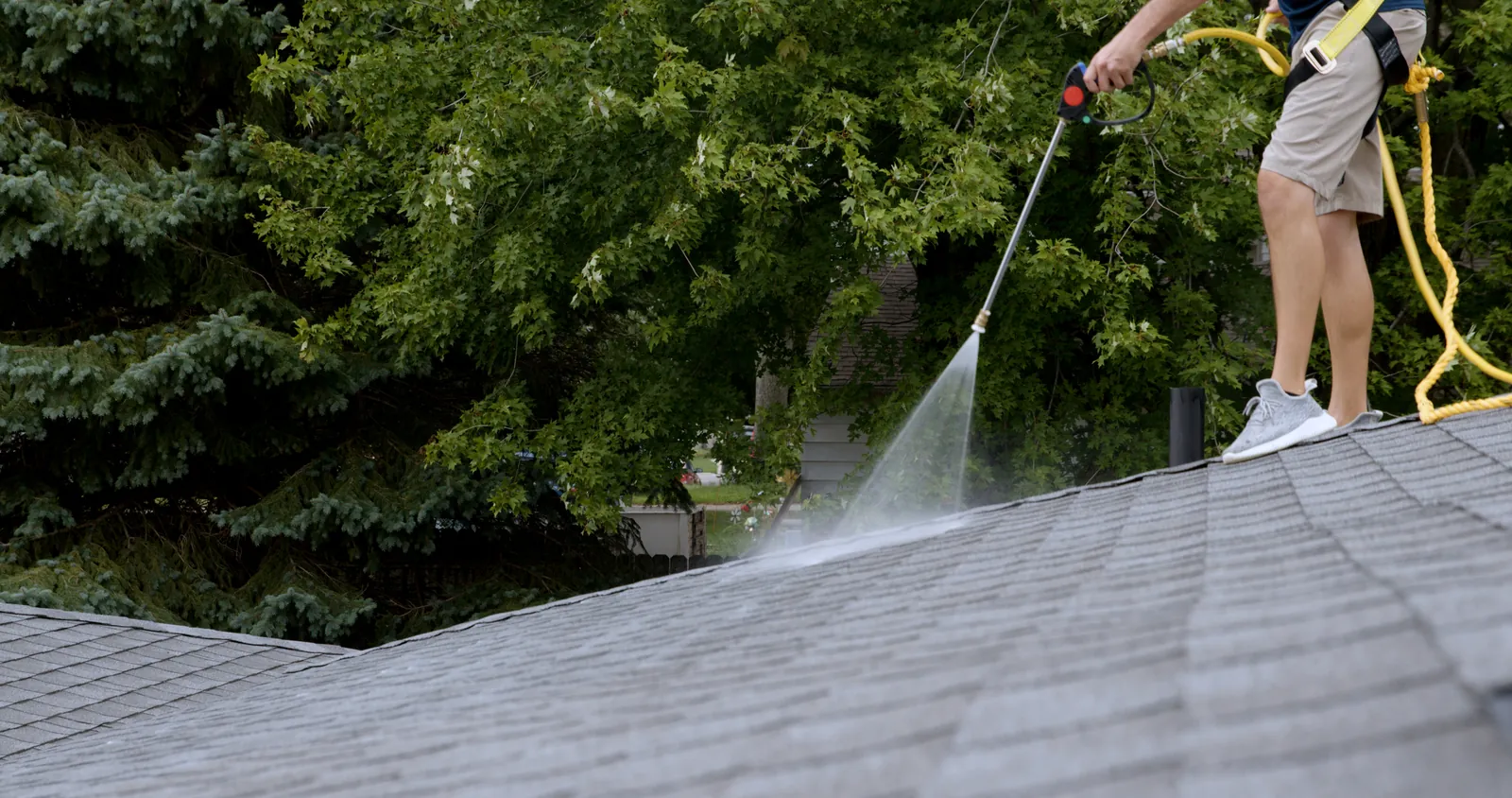
A coating sits on top and peels. Shingle Lock is a soy-based oil that soaks into the asphalt and replaces what was lost, so the shingle itself gets some flex back and holds its granules better. Here's what independent testing found.
Independent Lab Results
| Result | Measure |
|---|---|
| 0% | granule loss in hail-impact testing (untreated shingles failed) |
| +56% | granule retention (on 30-year / end-of-life shingles) |
| +25% | tear strength (vs untreated shingles of the same age) |
| +63% | flame resistance (improvement over untreated) |
| 0.02% | VOC emissions (bio-based formulation) |
Independent third-party testing by Certerra, 2025. Treated vs untreated shingles under laboratory conditions; real-world results vary by roof age, condition and application. Lab results are not a statement of warranty coverage.
Nothing to the Landfill
Millions of tons of old shingles go to landfills every year. A treatment sends nothing there. Learn more about how rejuvenation compares to replacement.
Treatment is for roofs that are aging but sound. The Free Inspection tells you whether yours qualifies.